
Para Football at the EPC Policy & Development Hubs
Para Football at the EPC Policy & Development Hubs: Why Dual Careers Need a Culture Shift, Not a Programme

Istanbul, Türkiye | June 2026
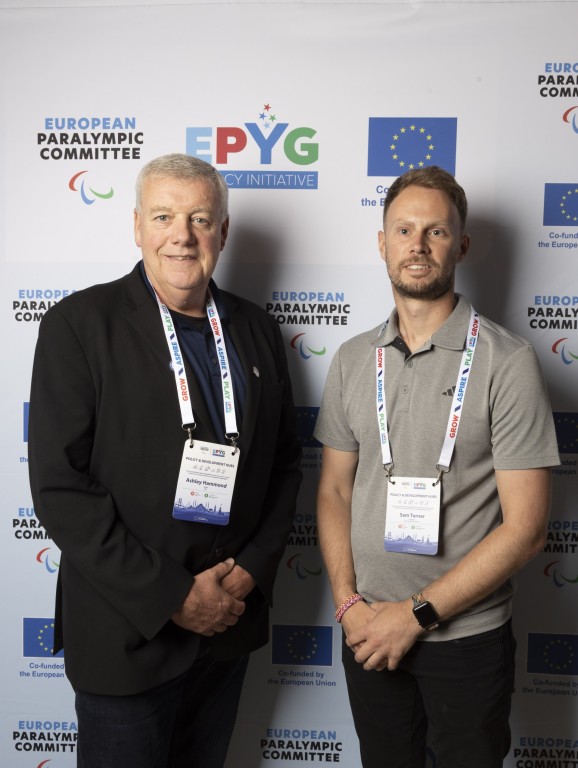
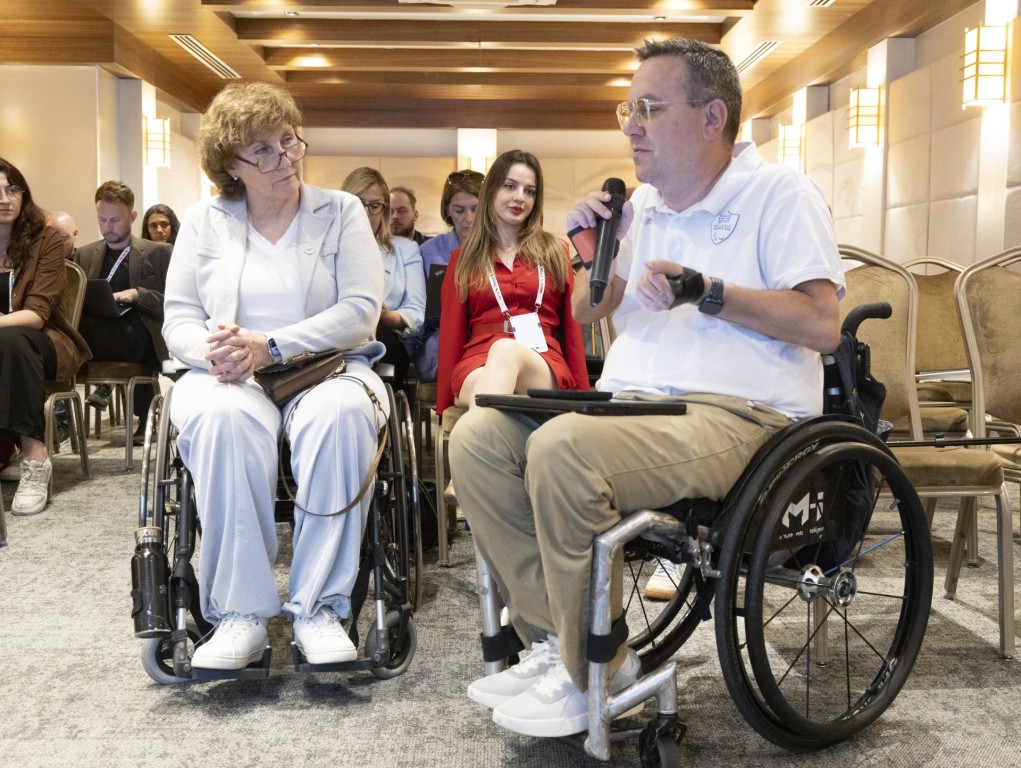
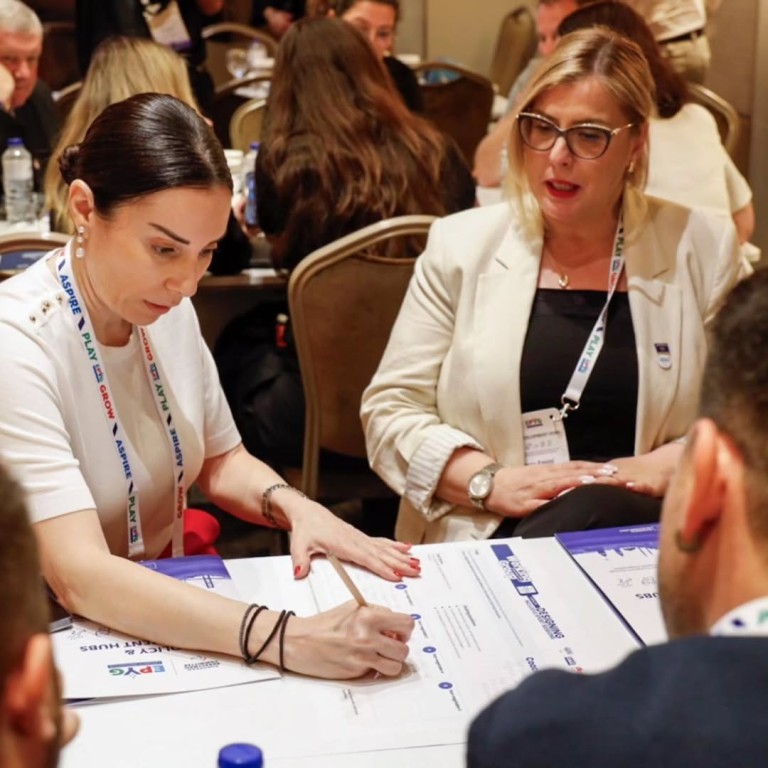
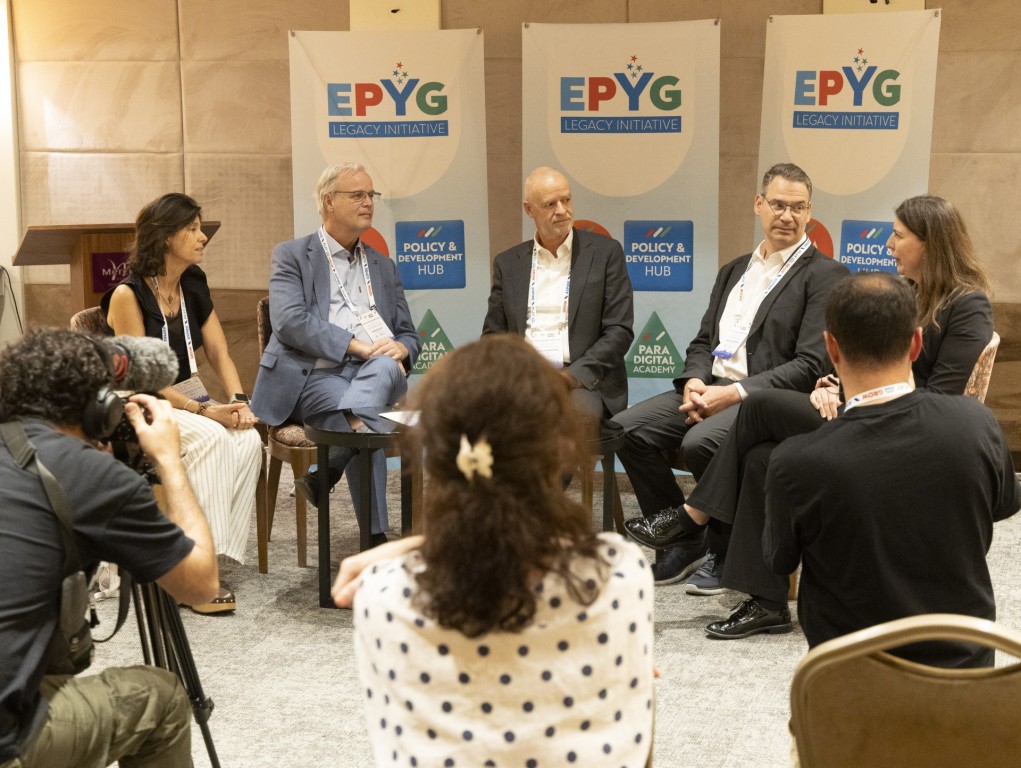
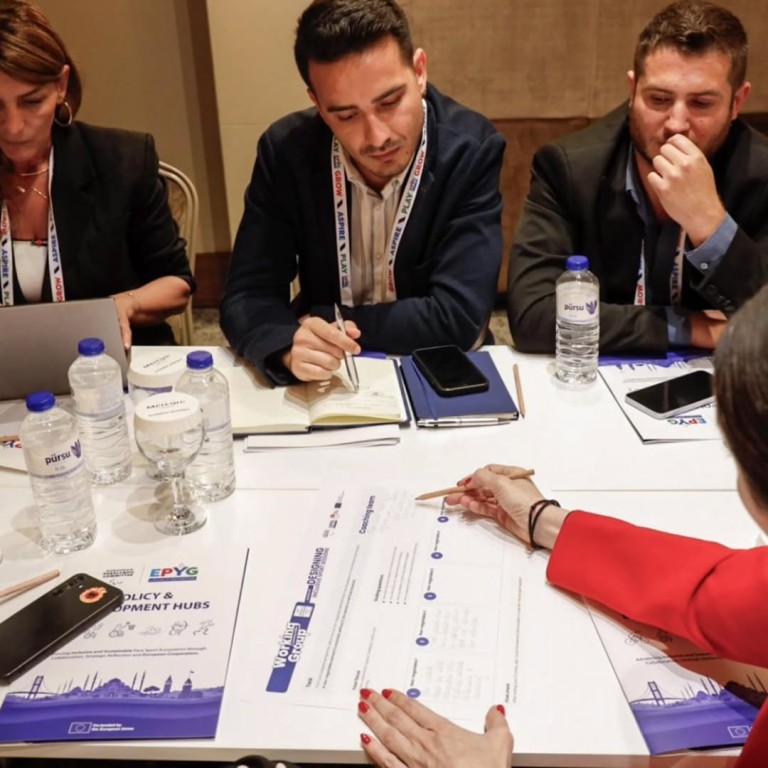
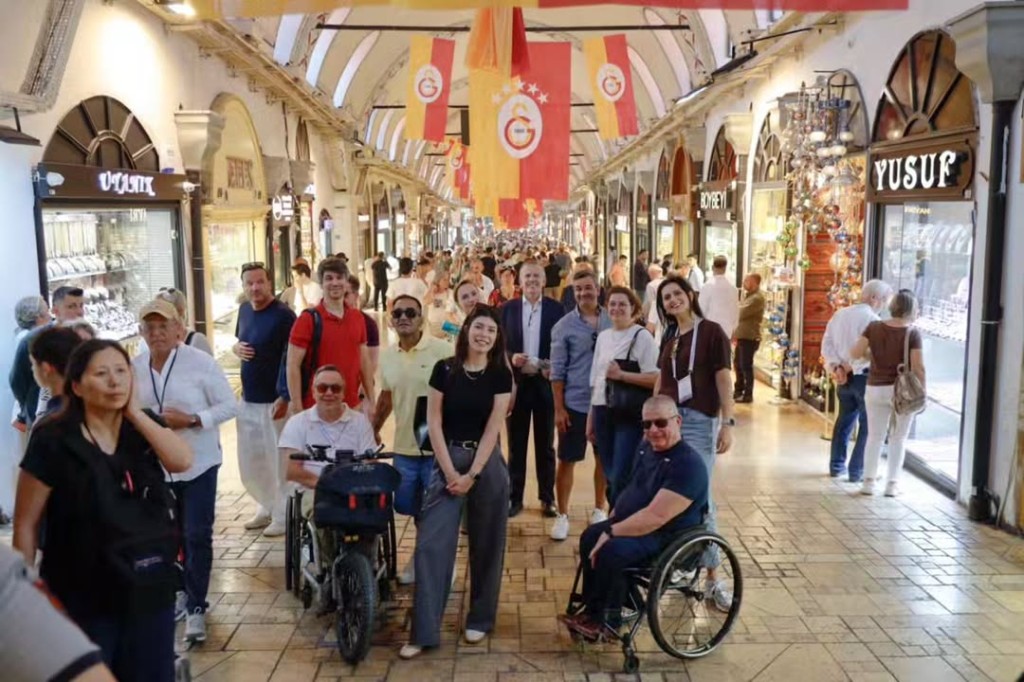
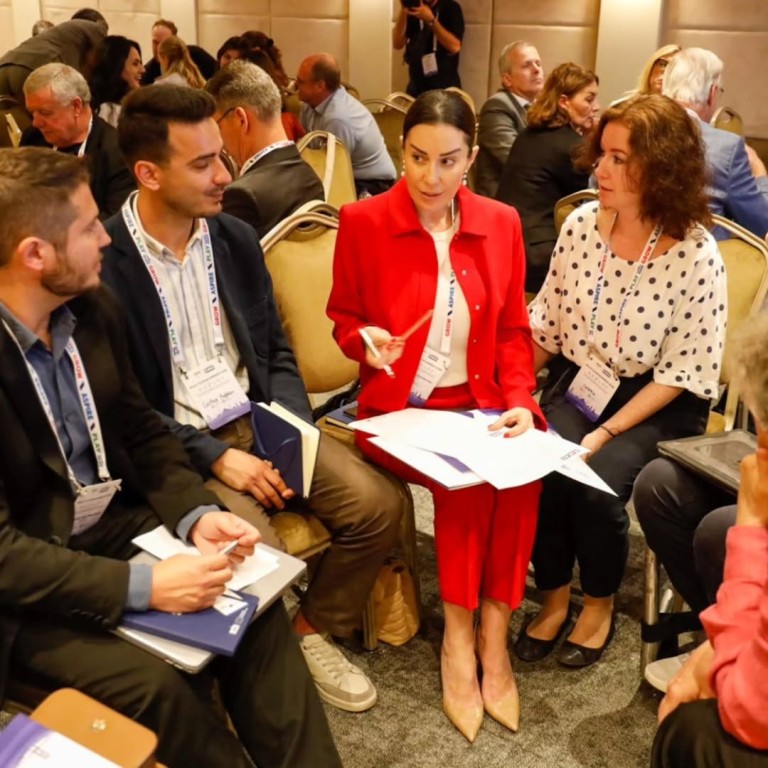
Para Football was invited to present at the European Paralympic Committee’s Policy & Development Hubs in Istanbul last week from 3-5 June, joining National Paralympic Committees, policymakers, sport federations and education stakeholders from across Europe for three days of discussion on governance, inclusion, and the future of Para sport.
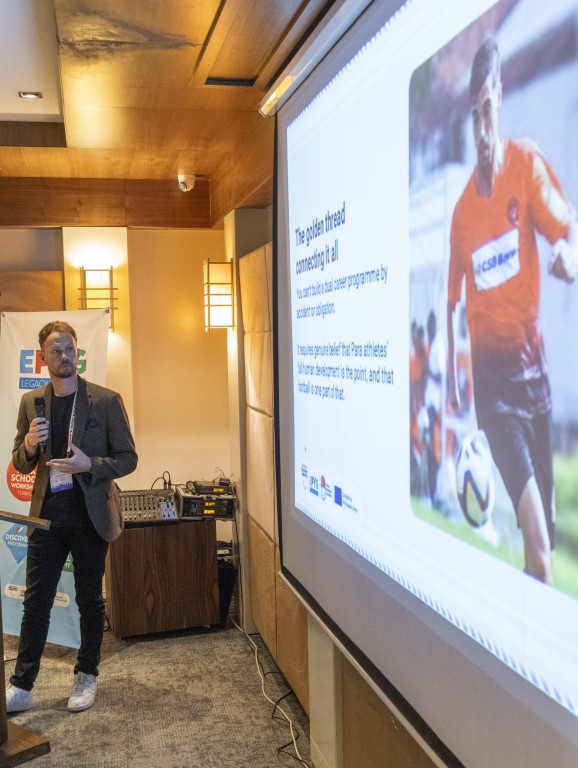
Sam Turner, Founder of Para Football and Football Director at the International Federation of CP Football (IFCPF), delivered a session on dual career best practices from a Para Football perspective a topic that sits at the intersection of athlete welfare, institutional culture, and long-term sport development.

Why dual careers matter in Para football
For many Para athletes, the question of whether to pursue education or a career alongside their sport is not a lifestyle choice it’s a necessity. Unlike elite able-bodied sport, Para Football has not yet reached a stage of professionalisation where the vast majority of athletes can rely on football as their primary livelihood. Most train and compete at the highest international level while also studying, working, or navigating the practical realities of life with a disability.
This makes dual career support not a nice-to-have, but a core part of athlete welfare and long-term player pathway development. The question for NPCs, sport federations, and policymakers is not whether to support dual careers it’s how to do it in a way that is genuine, sustained, and athlete-centred.
Start with why
The session opened with a challenge to the room: too many dual career programmes are built on the wrong foundations.
“People don’t buy into what we do,” Sam argued. “They buy into why we do it.”
For dual career development, the why cannot be “because it’s good policy” or “because other sports do it.” Those justifications produce tick-box programmes initiatives that exist on paper but rarely change conditions on the ground.
The why has to be rooted in something deeper: Para Footballers deserve the same right to build a life as anyone else.
When NPCs and federations start genuinely from that belief, every structural decision that follows flexibility in training schedules, education partnerships, financial support mechanisms becomes easier to justify, easier to resource, and easier to sustain.
Don’t build a programme, Inspire a culture shift
Dual career support often gets built as a finite project: a pilot, a workshop series, a one-off scheme funded by a grant cycle. That is the wrong frame entirely.
The goal is not to complete a programme. The goal is to permanently change the conditions in which Para athletes exist.
That requires institutions willing to think in decades, not funding cycles. A federation that launches a dual career initiative in year one and measures its success by year three is almost certain to be disappointed not because the athletes failed to engage, but because culture change takes longer than any single project timeline allows.
The organisations making the biggest difference are those who have embedded dual career thinking into their values and governance structures, so that it shapes how they schedule competitions, how they talk to athletes, and what they expect of partner institutions regardless of whether a specific programme is active.
Trust Is the foundation, not the reward
One of the most commonly overlooked elements of dual career support is psychological safety.
Para athletes who fear that admitting they need academic support or financial help will be seen as a distraction or worse, as evidence that they are not fully committed will never ask for help. They will manage the tension privately, and usually at a cost to one or both of their pursuits.
Dual career programmes only work when the institutional culture signals clearly: pursuing your education and your career makes you a better athlete and a better person, and we want both.
That signal has to come from the top. It has to be embedded in the language leaders use, the decisions they make when schedules conflict, and the way they talk about athletes’ lives beyond football. It cannot be delegated to a welfare officer or a wellbeing page on a website.
When athletes genuinely feel empowered rather than constrained by their federation, the results follow.
Filter every decision through your values
Organisations working in this space are often approached with well-meaning ideas: education partnerships, mentoring schemes, financial literacy workshops, links to employers. Many of these are genuinely valuable. But not all of them are right for every organisation, and the ones that fail usually do so because they were adopted for the wrong reasons.
The discipline required is knowing your own values well enough to filter out ideas that don’t fit even good-sounding ones.
For dual career work, this means being honest about whether a proposed partnership or support structure actually serves the athlete, or whether it primarily serves the organisation’s need to look like it does. That is a harder question than it seems, and most organisations benefit from asking it more often.
The right programme passes that test because it starts with the athlete’s real life training schedules, financial pressure, uncertain futures, the specific challenges that come with disability and builds outward from there.
Leaders set the conditions, athletes do the rest
The closing argument of the session was about where institutional responsibility ends and athlete agency begins.
Leaders in Para sport do not achieve the mission themselves. They create the conditions for others to achieve it.
The job is not to manage athletes’ dual careers. It is to remove the barriers that make a dual career feel impossible, then step back. That means flexible scheduling where possible, accessible education partnerships, financial support mechanisms, and above all a clear and consistent cultural signal from the top that says: we expect you to have a life beyond football, and we will help you build it.
When those conditions are in place, athletes are not just permitted to pursue dual careers. They are actively enabled to do so. And the evidence from across Para sport consistently shows that athletes who feel supported as whole human beings perform better, stay in sport longer, and give more back to it when their playing careers end.
Para Football’s role
Para Football exists to unite the international Para Football family and support National Football Associations in building the structures their athletes need. Dual career development is one part of that picture but it is an increasingly important one as Para Football grows globally and more athletes are competing at the highest level while navigating complex life circumstances.
The conversation in Istanbul was a reminder that the European Paralympic movement is taking these questions seriously. The Policy & Development Hubs brought together some of the most influential voices in European Para sport to work through exactly the kind of structural and cultural challenges that determine whether an athlete’s experience of their sport is empowering or limiting.
Para Football was proud to contribute to that conversation, and looks forward to continued collaboration with the EPC and its member organisations on building a Para sport ecosystem in which every athlete has the conditions to thrive on and off the pitch.
For more on Para Football’s work in player pathways, coach education and national programme development, visit www.ParaFootball.com


