
Blind Football Through the Eyes of Khalifa Youme
Blind Football Through the Eyes of Khalifa Youme: A Paralympic Champion and Ambassador for Inclusive Sport
"Blind football is a sport that can also be played by sighted people, as long as they respect its rules. For me, sighted and visually impaired players can play together and come together through blind football." Khalifa Youme
When Khalifa Youme met blind football
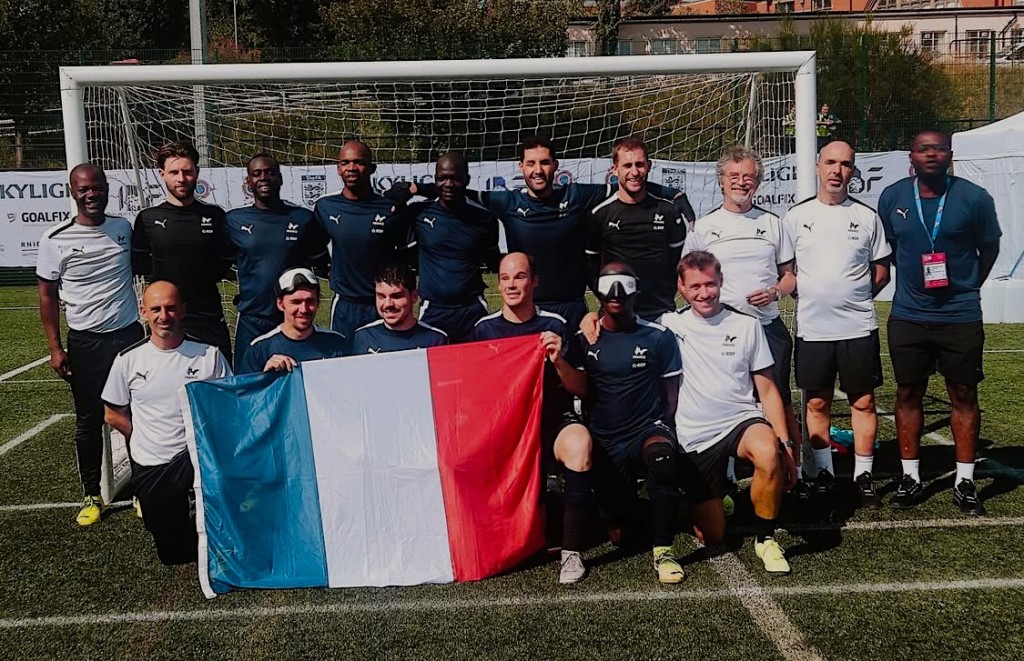
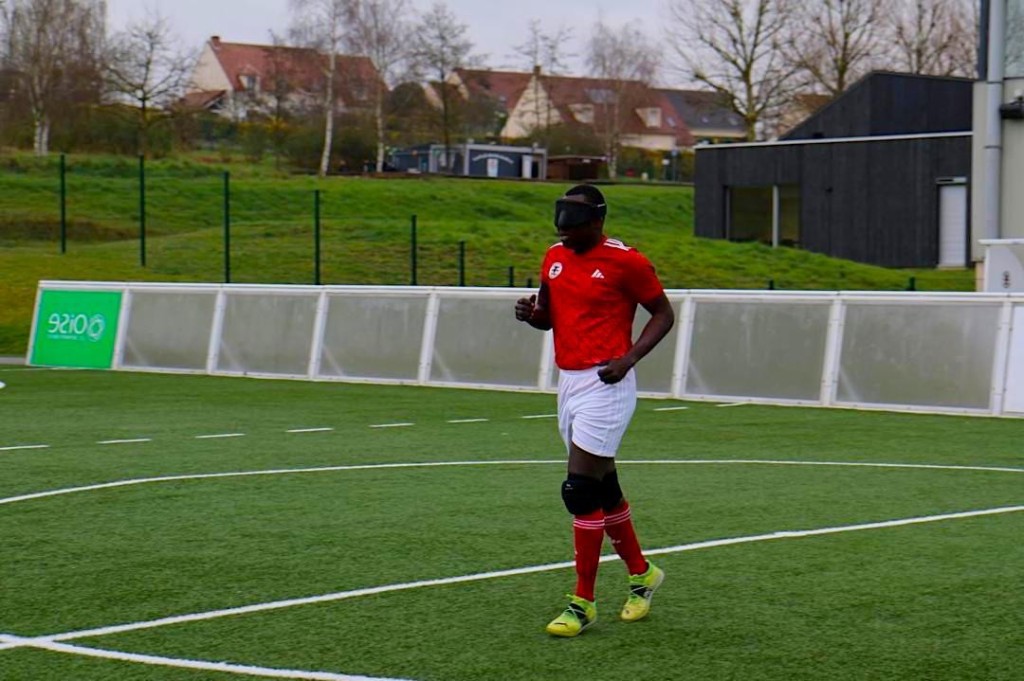
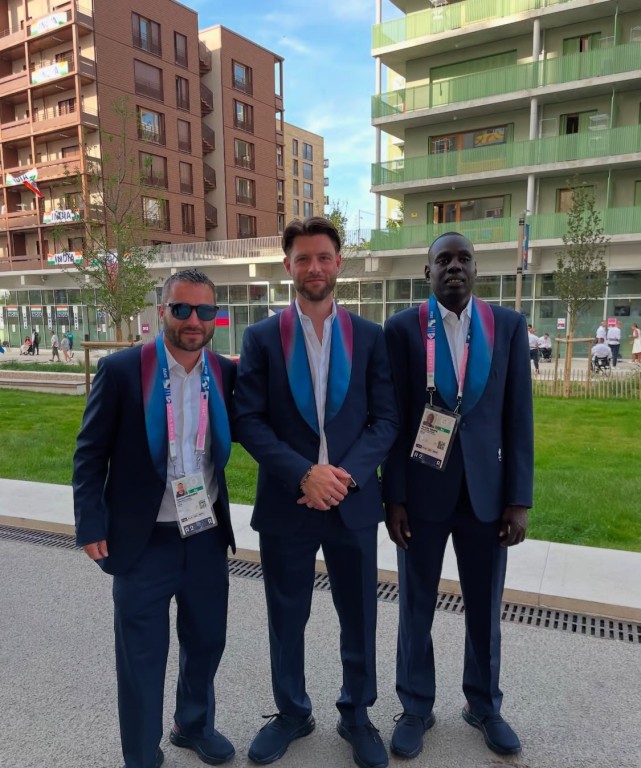
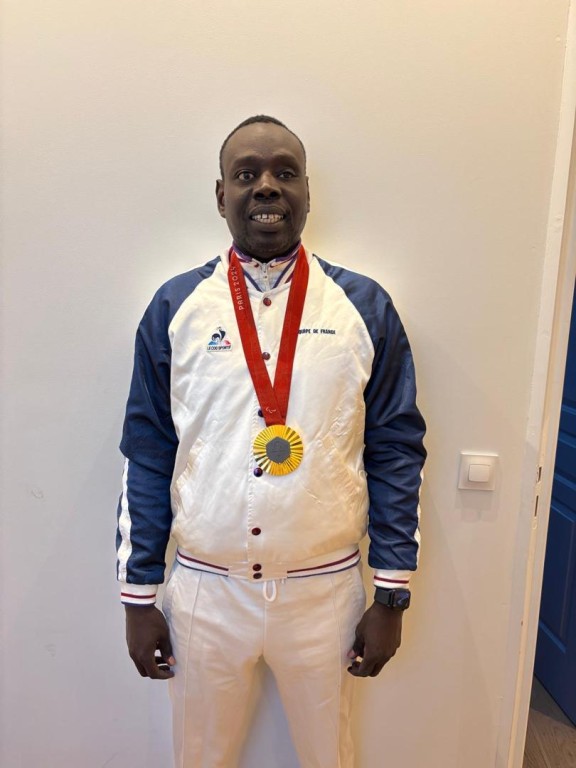
Khalifa Youme is a player for the French national blind football team who has won 13 French championship titles and a Paralympic gold medal at Paris 2024.
He grew up in Senegal. He has always loved practicing different sports, moving from athletics to wrestling.
In 2003 he had the opportunity to win his first international titles:
- African vice-champion in athletics in the visually impaired category
- Bronze medal in African wrestling in the visually impaired category
- Vice-champion in African torball
Several studies have shown that diversified sports participation during childhood and adolescence promotes enjoyment, motivation, and continued participation in sport in adulthood. From a biomechanical perspective, it is also a key element for developing the four pillars of movement:
Each of these pillars is complementary and interdependent and Khalifa Youme's own sporting journey is a testament to all four.

It was two days after his arrival in France, while watching a television report about the French team and the Brazilian team, that he discovered blind football and its increasingly complex and professionalizing world.
During all those years in Senegal he was passionate about football and played football without rules and without knowing about the existence of this institutionalized sport that gradually emerged in Brazil in the 1960s, creating rules and establishing a 5-a-side format. Players are visually impaired, with the exception of the goalkeeper. They play with a ball containing rattles that sound like maracas, reflecting its Brazilian origins. In Brazil, these balls are often manufactured by prisoners as part of a rehabilitation initiative supported by Pelé in 1995.
After being included in the Paralympic Games in 2004 in Athens, and now practiced by more than 60 federations worldwide, blind football has become a global sport with increasing media impact. Brazil has become a reference team on the international blind football circuit, having won gold at every Paralympic edition from 2004 to 2020.
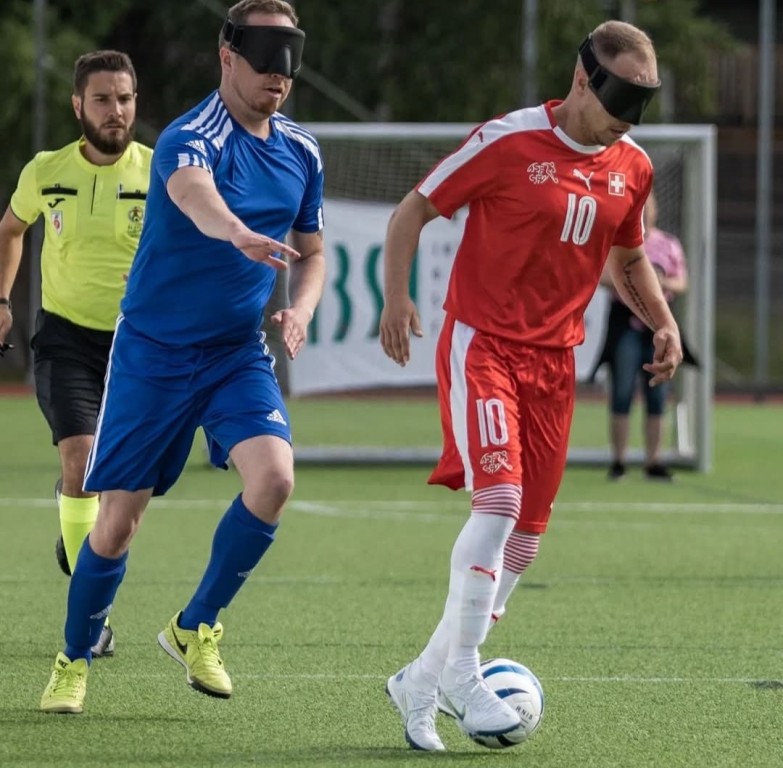
Blind Football is governed internationally by the International Blind Sports Federation (IBSA). The sport follows standardized classification systems to ensure fair competition among athletes with visual impairments. Players are classified based on the degree of vision impairment, with classes ranging from B1 (no functional vision) to B3 (least severe visual impairment). In elite competitions such as the Paralympic Games, only B1 athletes compete on the field, and all players wear eye shades to ensure equal visual conditions. Goalkeepers, who may be sighted or partially sighted, guide the defense, while an external guide positioned behind the opponent's goal helps direct attacking play.
"Athletes themselves also have an important role to play, raising awareness among the general public in order to promote the sport and its values." Khalifa Youme
Khalifa Youme decided to play with the team of Unadev Bordeaux, one of the most competitive teams in France. Thanks to his athletic qualities, his sprinter speed, his strength developed through wrestling and despite a difficult adaptation, he managed to adapt and become a key element of his team.
"During my first match in January 2006, I was afraid to run. I felt apprehension and feared collisions. Fortunately, my team dominated the match that day. Today, I have overcome that barrier of fear and constraint." Khalifa Youme
Blind football is a sport that places a strong emphasis on stability and communication. The proprioceptive ability to control and stabilize movement and maintain joint integrity under muscular stress is omnipresent in blind football. Although the sport shares similarities with traditional football, the transition requires significant adaptation.
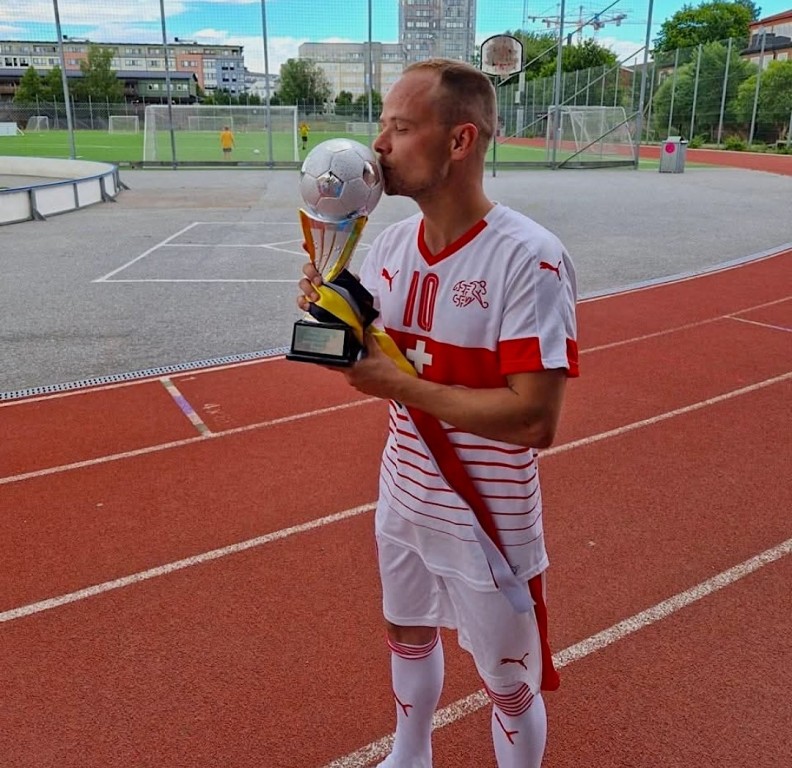
Jason Perrenoud, a former player of Blind Football Swiss, had the opportunity to experience both environments by playing with sighted players as well.
"During my first match against Belgium, I played about five minutes. I had enormous difficulties with proprioception and adaptation." Jason Perrenoud
Blind football requires players to process a large amount of information simultaneously. Players must be able to filter and focus only on the most important information at a given moment. This is also why the audience must remain silent during matches, allowing players to clearly hear instructions and orient themselves on the field.
In sport, and even beyond the sporting context, communication is a key factor that facilitates information gathering and accelerates the decision-making process. In blind football, communication is essential.
"Without communication, there is no game." Khalifa Youme
Khalifa Youme and the Paris Olympic Games
Paris 2024 had a considerable impact in opening this sport to the general public and creating more awareness.
"It is the most special moment of my life." Khalifa Youme
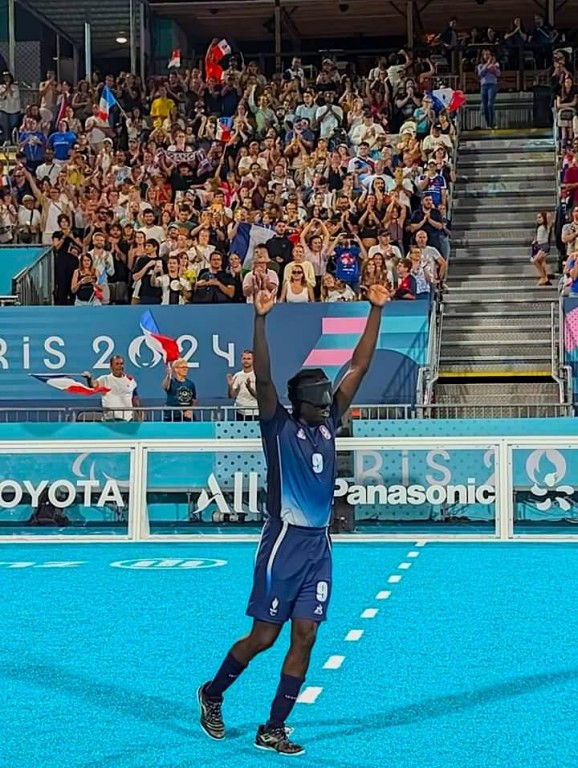
During these Paralympic Games there was spectacular enthusiasm around this sport. For the first time in its history, a blind football match was played in front of more than 11,000 spectators just at the foot of the Eiffel Tower.
"The first match marked me because I scored the winning goal. Looking back, it was this goal that qualified us. I could hear the cries of the crowd, the voice of the speaker, and I had tears in my eyes." Khalifa Youme
The French blind football team succeeded, after an exciting final against Argentina, in winning the penalty shootout and becoming Paralympic champions for the first time in their history.
"Unfortunately, I finished the final with a shoulder dislocation, but with the adrenaline and the emotions I did not even feel it because I was just happy." Khalifa Youme

Beyond the pitch: blind football as a tool for inclusion
At the same time of this incredible journey, Khalifa Youme became an ambassador for his sport. He has participated in several initiatives. One of the main obstacles to the development of blind football remains the lack of public awareness of the sport and this is precisely why Khalifa Youme has made it his mission to change that. For example, Laurent Balmont, a former player of LOSC Lille, created an indoor football academy in 2016 where blind football activities were introduced allowing players to share their passion with young people and their parents.
"The children love playing and discovering blind football." Khalifa Youme
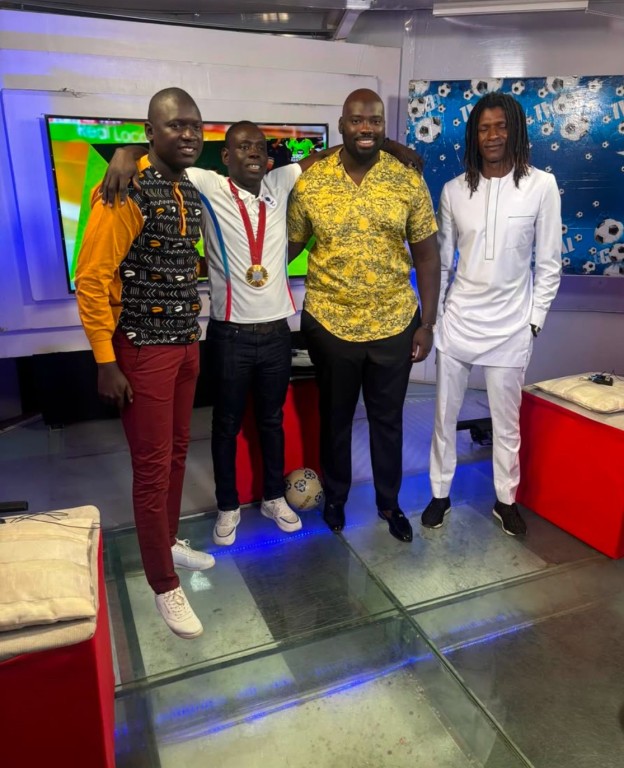
Khalifa Youme is also involved in the development of blind football in his country of origin, Senegal. He has contributed to the creation of structures and sports supervision to enable young people to discover and practice the sport. Despite limited financial support, the team hopes to participate in the next African Cup scheduled for November 2026.
Blind football is a sport in full development. To make blind football more accessible and more competitive, it is also essential to develop local clubs. For example, in Switzerland there was only one club, which forced teams to travel long distances to play matches.
"If more local teams existed, it would create real sporting competition, with regular matches, for example every week, which would help players improve and contribute to the overall development of the sport." Jason Perrenoud
The integration of blind football in sports and school academies
Over the past decades, elite sport has become increasingly complex, with a stronger focus on performance and the professionalization of athletes.
Blind football is a unique sport and a goldmine in terms of cognitive stimulation, particularly through proprioception, communication, and spatial awareness.These qualities are extremely important for the development of high-level athletes, but they also extend beyond sport and contribute to the overall development of children.
Integrating blind football into sports academies or schools can therefore become a powerful factor of inclusion, demonstrating that Paralympic sport has a great deal to offer both to society and to traditional sports. It shows that adapted sports can enrich training methods, foster the development of new skills, and create opportunities for athletes and communities to come together around shared values such as inclusion, respect, and cooperation.


